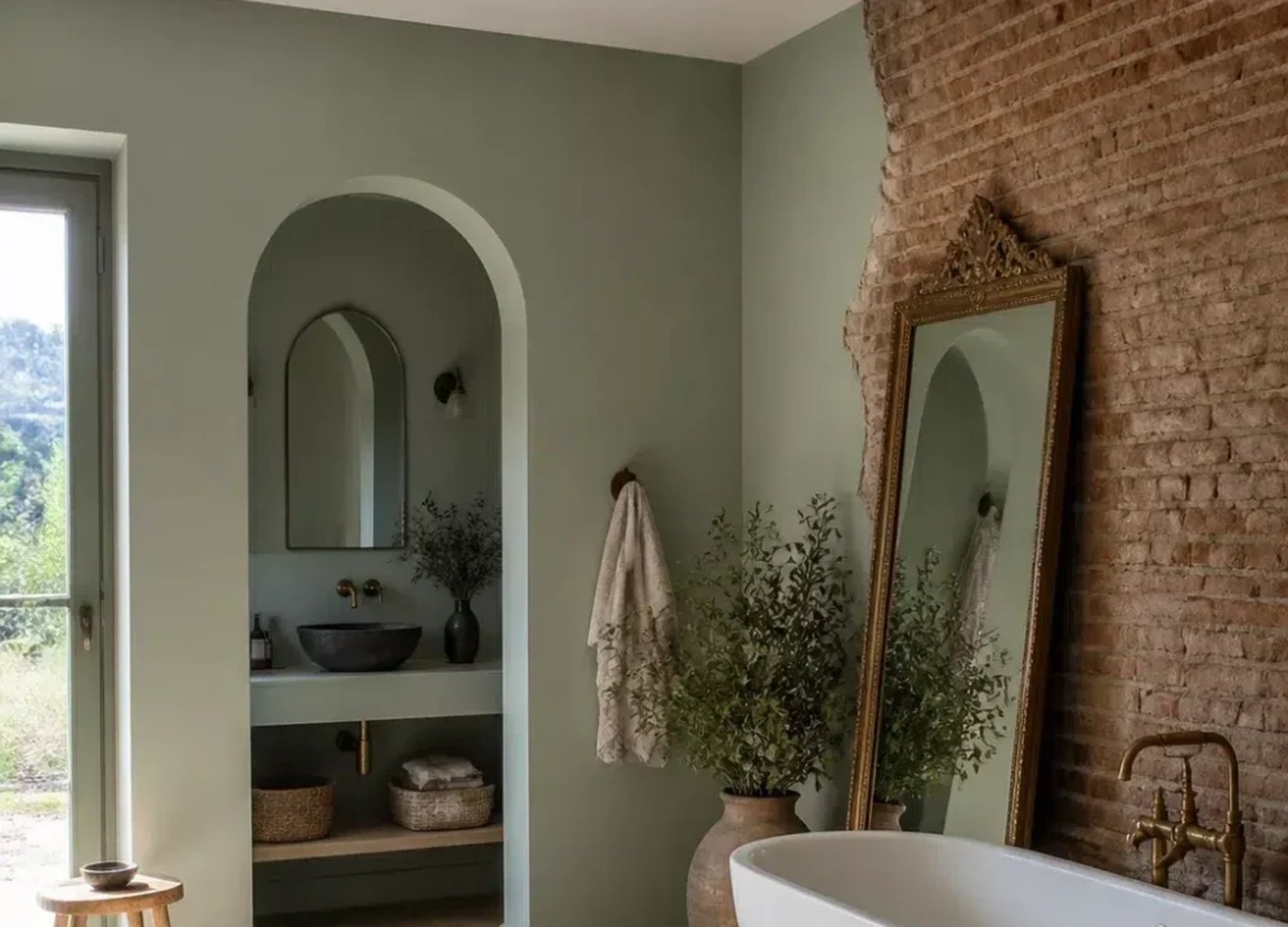
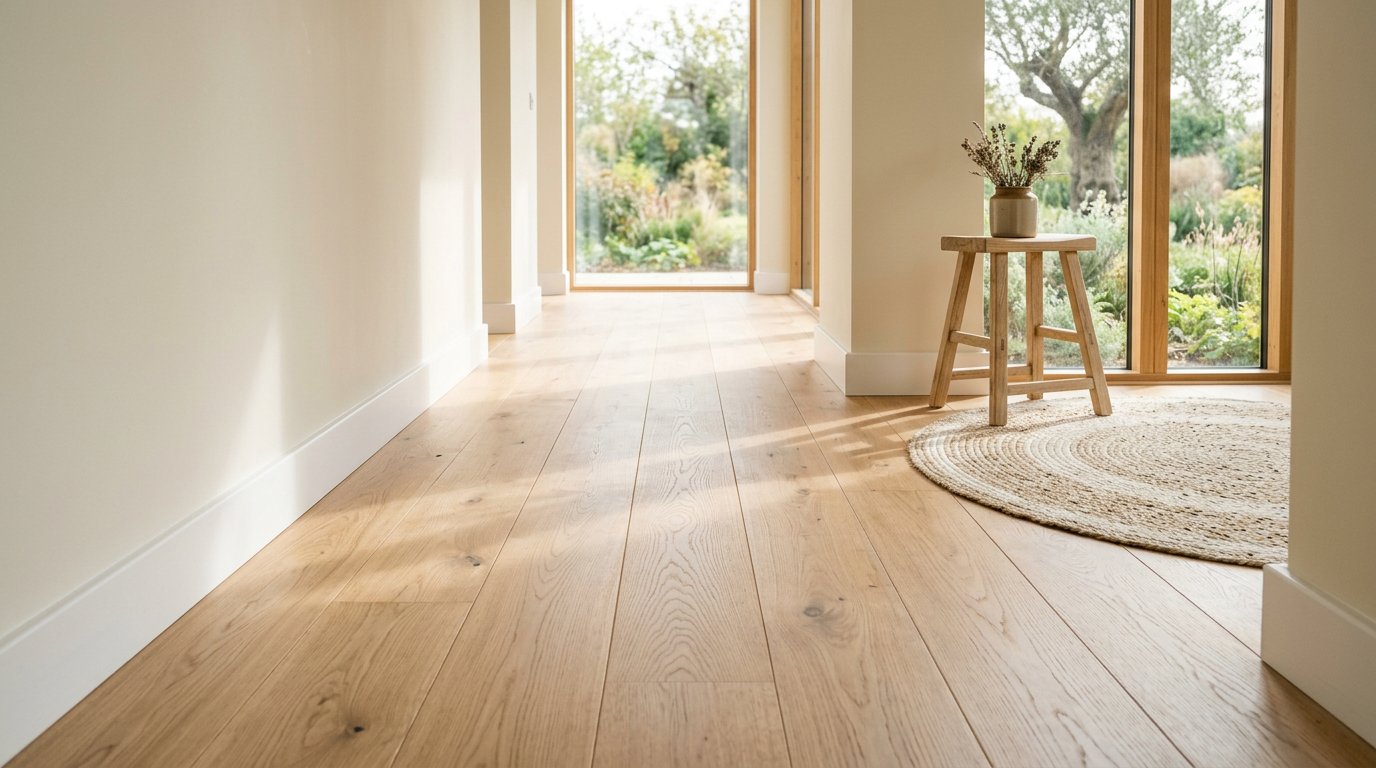
The changes that improve daily life most are rarely the ones that photograph as dramatic. You do not need to move a wall to change how a home feels. In most houses we visit, the biggest difference comes from a handful of modest, well-chosen upgrades that can be done room by room, without a full renovation.
Start with light
Before touching paint colours, look at the light. A room that feels gloomy at four in the afternoon is often suffering from a single ceiling fixture doing all the work. Layering light — a warm lamp at eye level, a focused task light, a softer glow in a corner — changes the character of a room more than any other inexpensive change.
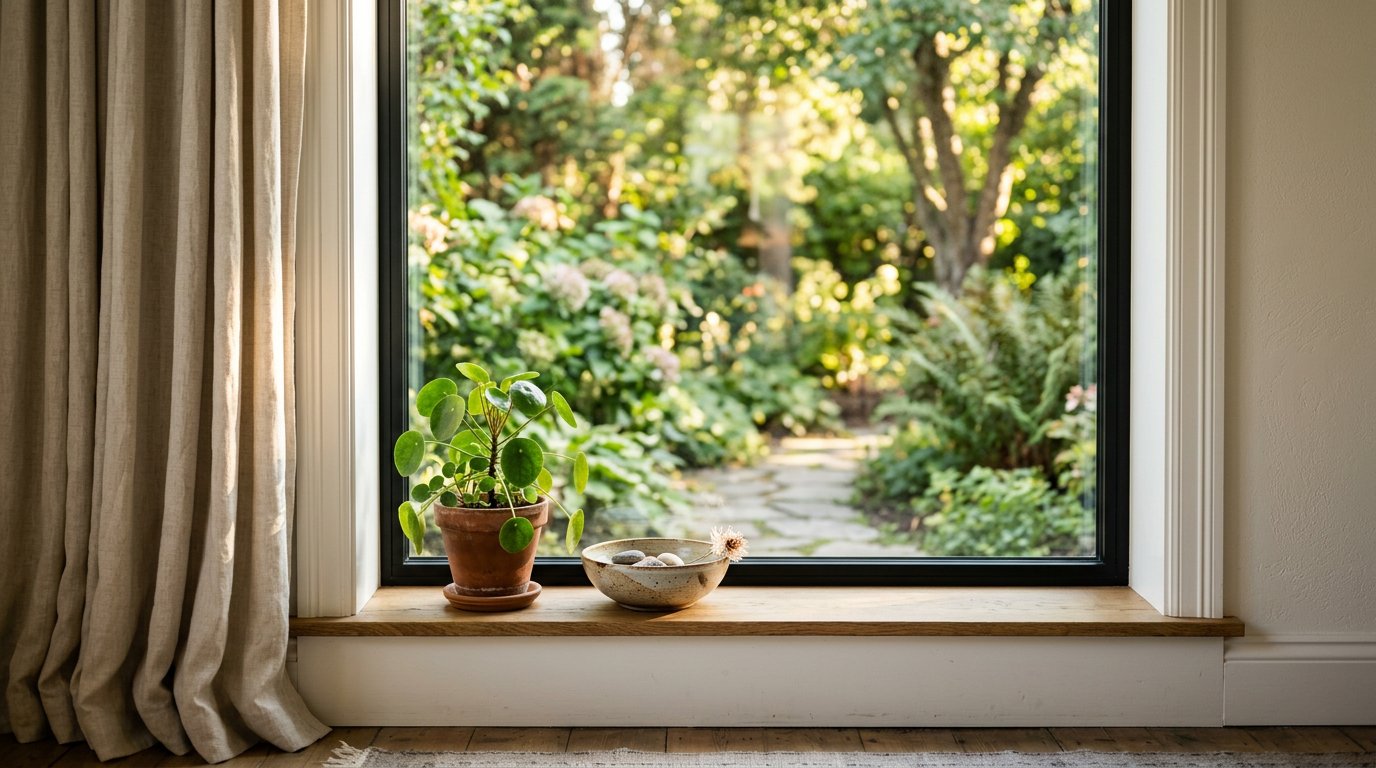
Bulb temperature matters as much as the fixture. Warmer light makes natural materials feel richer and skin tones kinder. If a room still feels flat after that, consider window dressings that let more daylight in before you consider replacement windows.
Give clutter a home
Most rooms feel small because of what is sitting in them, not because of their dimensions. A bench with storage by the door, a basket for the things that never find a place, closed shelving instead of open shelves in a busy room — these are structural changes disguised as furniture.
We often build in a shallow cupboard or a run of tall cabinets during a small upgrade, because storage that is designed for one specific annoyance is the sort you keep using. Open storage looks lovely in photographs and collects chaos in real life.
Refresh doors, trim and hardware
Doors are the most overlooked surface in a home. They are touched constantly and repainted rarely. A careful repaint, a properly adjusted hinge and new hardware can make a tired hallway feel considered for a fraction of the cost of new joinery.
While the tools are out, fix the small irritations: the door that catches, the drawer that never quite closes, the squeak at the top of the stairs. These are the details a household notices every single day.
Carry one finish through the house
Continuity makes a home feel larger. A single flooring tone through connected rooms, one trim profile, one metal finish repeated on handles and taps. The eye stops noticing the joins, and the space reads as one calm whole rather than a series of separate projects.
If budgets are tight, prioritise the surfaces you touch and see: the floor underfoot, the worktop where you cook, the tile at eye level. Those earn their cost every day.
Tighten the envelope quietly
Comfort upgrades are invisible and deeply satisfying. Draught-proofing around doors, sealing gaps in a loft hatch, repairing cracked window seals and adding sensible ventilation all reduce the small discomforts that make a house feel unwelcoming in winter.
These are also the upgrades that protect bigger investments. There is little point in a beautiful new room if the cold still arrives through the window behind the sofa.
Do not postpone safety
Of everything on this list, safety work is the least glamorous and the most important. Test alarms, replace anything beyond its service life, keep a fire blanket within reach of the kitchen, and make sure everyone in the household knows the way out in the dark.
If you are unsure where alarms should sit or which extinguisher suits your home, our safety review covers placement room by room alongside the advice you actually need to act on.
Where small upgrades lead
Done thoughtfully, a set of small improvements often reveals the next sensible step: a bathroom that now wants a proper extractor, a hallway that would benefit from a wider opening, a garden that needs a path. That is a healthy way to renovate — in layers, with each layer earning its place.
You do not need a grand plan to begin. You need one room that has never quite worked, and the willingness to fix it properly.